Global Alpha
Redefining Investing
Alternative asset manager: Actively managed, long-short global macro fund.
“Top-down”approach: We invest in sector champions within growth sectors when markets correct.
Take the stress out of investing by allowing our team of experts to dynamically manage your portfolio.
Monetising Trends And Inefficiencies
A family office with a focus on global macro trends and long-term value creation.We dynamically navigate volatile markets in order to consistently outperform our peers.
Our Mission Statement

Our Mission Statement
Our mission is to grow and protect wealth by identifying the most compelling macro themes of our time.
8080Average Holding Period (days)8080Market Covered8080Asset Classes80Average Trades Per Day
Why Choose us
3 Principles We Follow

Asymmetry
Markets empirically overreact, i.e. they fall further and faster in response to negative news flow (FOLM, or downside risk) than they rise in response to good news (FOMO, or upside potential) which presents trading opportunities for savvy investors.
Volatility
Volatility refers to the degree of variation in asset prices over time, reflecting market uncertainty and risk.
Mean Reversion
Prices tend to revert to their historical average or medium term trend line.
We predominantly invest in US securities

The United States continues to lead the world in innovation and its financial markets remain the world’s most liquid/ efficient, with the added advantage of the U.S. dollar remaining the world’s reserve currency.
Sunrise technologies
Artificial intelligence, cloud computing, cybersecurity, driverless cars, clean energy, hyperscalers, crypto currencies, etc
Arbitrage opportunity
Stock prices usually over-shoot, then return to their long-term trend line (“mean reversion”). Markets are sentiment driven and asymmetric; not perfectly rational. Pricing inefficiencies present opportunities to generate “alpha”.
The only certainty is unpredictability.
Performance builds credibility.
Investing alongside our owner ensures 100% alignment of interests.
The only certainty is unpredictability.
Performance builds credibility.
Investing alongside our owner ensures 100% alignment of interests.
Emerging Themes
Key Sectors and
Industries
We live in uncertain times, with unprecedented geopolitical risks, emerging superpowers/ cross-border alliances and autocratic regimes in the ascendancy, further complicated by upheavals like AI, cyber threats and climate change. The only certainty is unpredictability/ volatility. Markets are susceptible to “groupthink” (herd mentality) with emotional over-reaction to news flow. Our fund managers therefore have to be nimble, in order to consistently deliver alpha. We achieve outperformance through active trading, amplified by leverage using futures and options. Old school ‘buy and hold’ strategies are no longer viable.
01.
Hyperscalers
Artificial intelligence
Cyber warfare
Self Driving Cars
Data Centers
Trade Wars
Social Media
Home delivery
Online sales
Digital Marketing
Cyber Crime
Crypto Currency
Green Technologies/ EVs
Climate Change
Meet Our Founder & Managing Partner

Shravan Sood
41 years of financial experience, straddling 3 continents and 6 countries. Former Managing Director, BNY Mellon. MBA (Wharton)
Meet Our Founder & Managing Partner
Shravan Sood
41 years of financial experience, straddling 3 continents and 6 countries. Former Managing Director, BNY Mellon. MBA (Wharton)
Contact Us
Value creation through active trading and strategic allocations based on deep value research.
Have Questions? Get in Touch!
UK l NDIA UK +44 7979 536650 INDIA +91 99 3068 8009 shravan@globalalpha.co.uk
Contrasting Investment Styles:
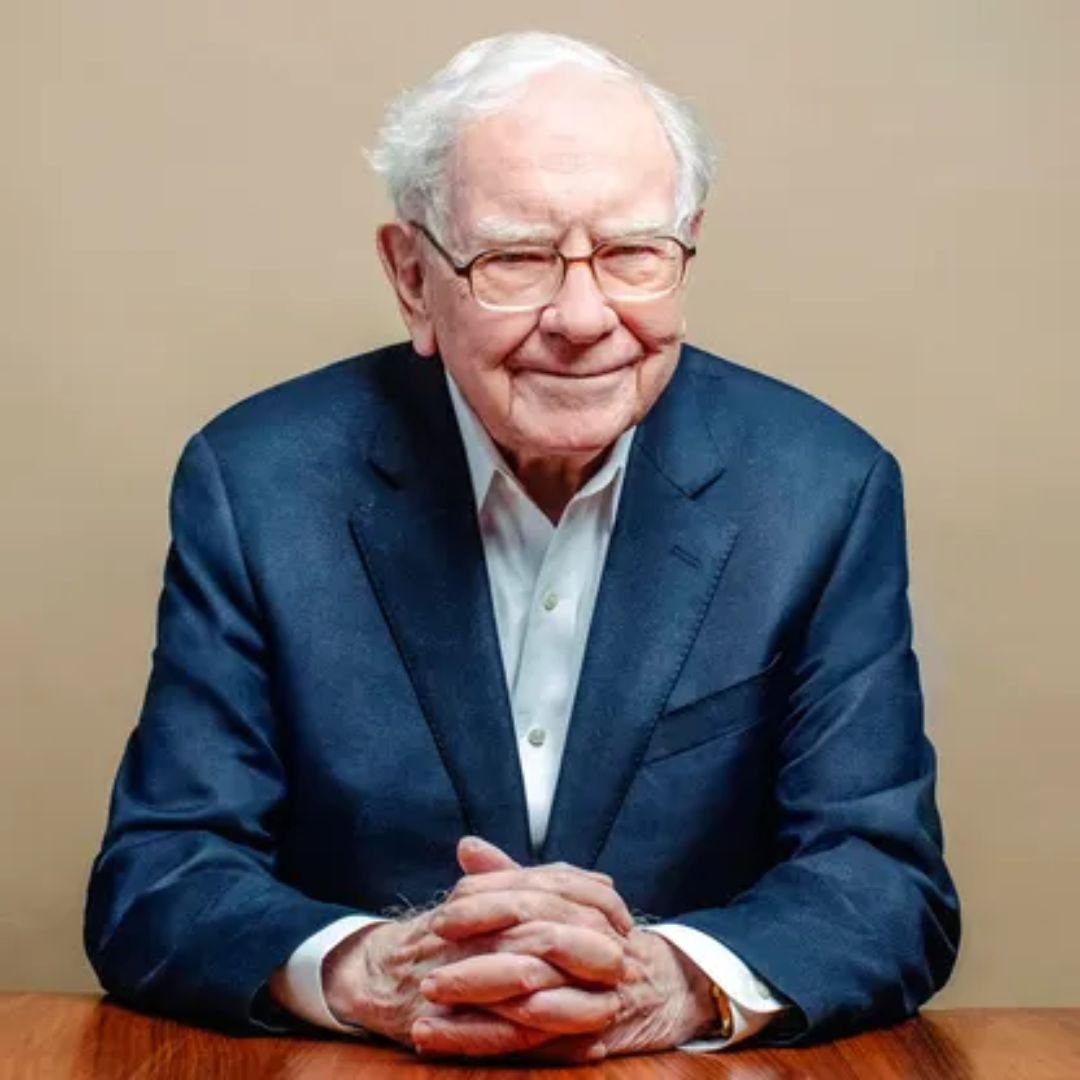
Billionaire Warren Buffett is arguably the most famous value investor guru. Buffett’s style is to buy high quality companies with competitive advantages and hold on to them preferably forever. Buffett tends to only buy things he understands and he would prefer to buy stocks at fair to attractive prices. Many of the investment gurus on our list have also been long term investors who buy quality companies with competitive advantages and hold them for a long period.
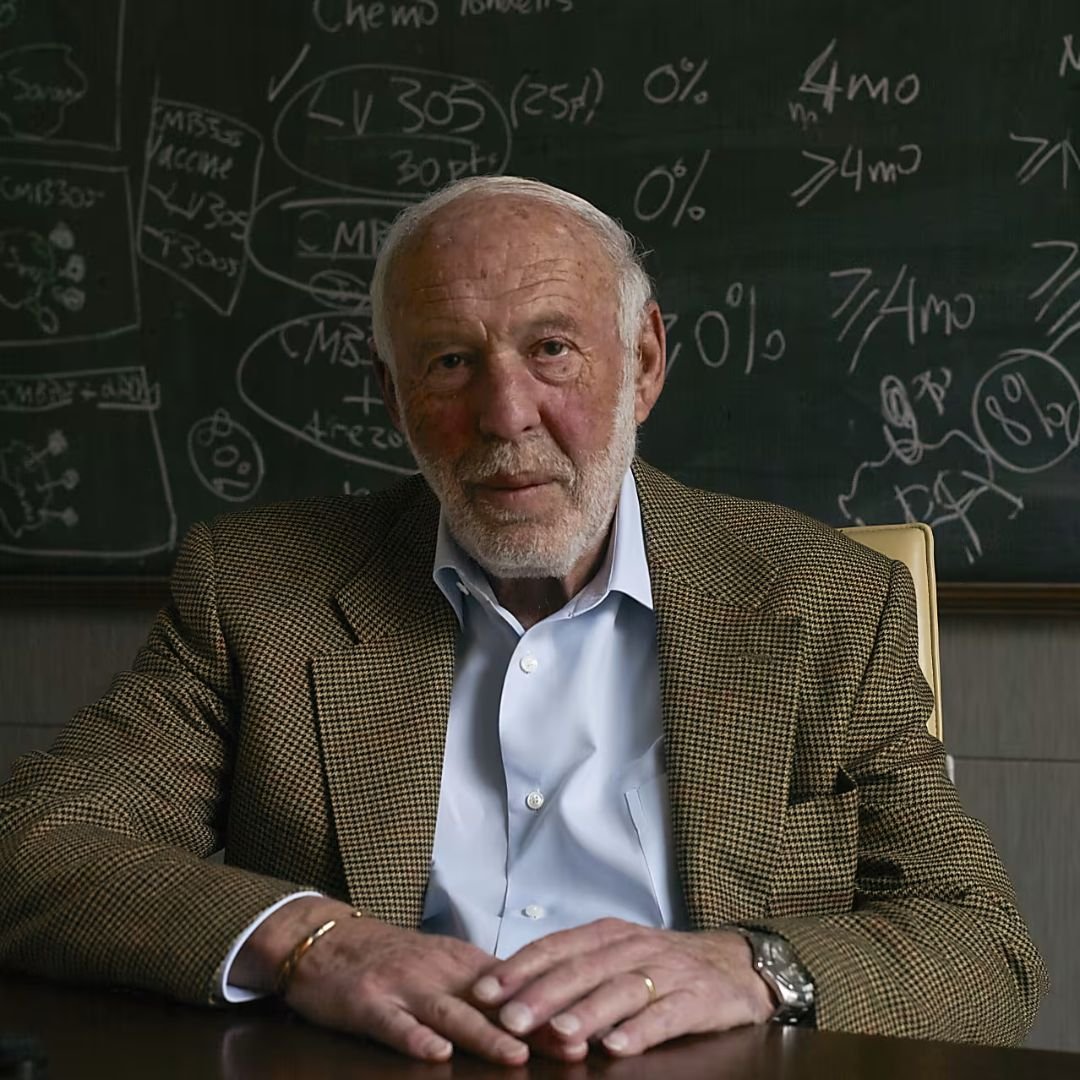
Conversely Billionaire Jim Simons is the founder of what is arguably the leading quantitative fund in the world, Renaissance Technologies which routinely buys and sells thousands of stocks each quarter based on sophisticated computer algorithms.
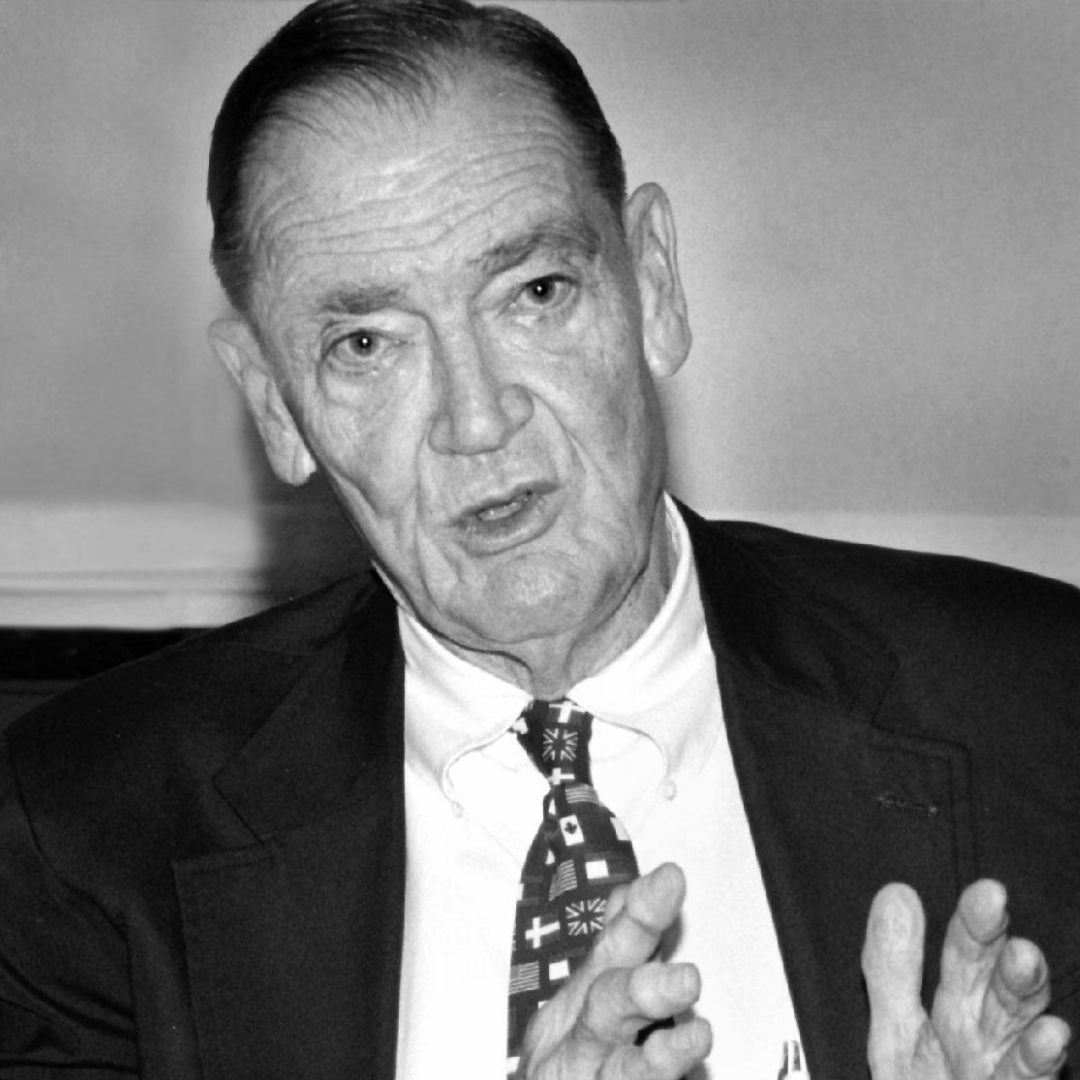
Jack Bogle: The Vanguard 500 Index Fund Admiral Shares (VFIAX) is a low-cost way to gain diversified exposure to the U.S. equity market. The fund offers exposure to 500 of the largest U.S. companies, which span many different industries and account for about three-fourths of the U.S. stock market’s value. It has a 0.04% expense ratio and its performance in the long term has beaten many active funds over the years.
Blogs
Long-term Investing: Rules of the Road
Mispricings exist, but exploiting them consistently is extremely difficult.2. Survival > outperformanceAvoiding ruin and staying invested matters more than maximizing returns.3. Time horizon is an edge—if you use itMost investors claim to be long-term but behave short-term.4. Risk = range of outcomes, not a single numberThink in probabilities and scenarios, not volatility alone.5. Focus on what matters and is knowableIgnore noise; concentrate on variables you can reasonably assess.6. Extremes create opportunity and dangerValuation and sentiment extremes are where the biggest mistakes and gains occur.7. Macro forecasting has limited valueDiversification is more reliable than prediction.8. Incentives drive behaviorInstitutional structures and career…
Liz Ann Sonders: “The New Momentum Trade Is Rotation” Amid AI-Driven Market Shifts
Liz Ann Sonders, chief investment strategist at Charles Schwab, says market rotation has emerged as the dominant trading pattern, with investors rapidly shifting focus from one opportunity to the next amid ongoing AI disruption. “The new momentum trade is rotation,” Sonders said in an interview with CNBC, describing an environment where “short attention span money” perpetually chases the latest market narrative while selling first and researching later. The strategist noted that AI-driven narratives are creating a volatile backdrop where micro segments of the market face sudden disruption, often leading to indiscriminate selling. “Baby-out-with-the-bathwater kind of trading backdrop,” Sonders explained, adding…
3 mistakes that investors make in selloffs:
Key points: Big selloffs often reflect market mechanics, not broken long-term theses: Sharp drops in any crowded, liquid area (equities, tech, commodities) can spill into other assets via de-risking, liquidity selling, and USD/rates repricing— without changing the long-term fundamentals.Diversification doesn’t mean zero volatility: In stress, correlations rise and even “defensive” holdings can wobble. If volatility forces decisions, the issue is usually sizing and process, not whether you picked the “wrong” asset class.The biggest risk is turning short-term volatility into a permanent decision: Successful long-term investors rebalance exposure, not emotions. A bad week tests discipline – it doesn’t require perfect timing…
Chronic volatility, elevated energy prices and persistent geopolitical stress are now baseline conditions for markets and your money.
Markets now face three distinct, costly scenarios:Base case (60%) : Tensions remain high but limited.Oil settles between $70-80, defense stocks gain steadily, gold, bitcoin BTCUSD -0.38% and cybersecurity stocks thrive.Escalation scenario (25%) : Iran retaliates aggressively – missile attacks, drone swarms, cyber warfare, possibly blocking the Strait of Hormuz. Oil soars past $120, stocks fall 10%- 15%, defensive assets and other perceived safe-haven holdings jump.Diplomatic miracle (15%) : Optimistic but improbable. Peace unexpectedly breaks out, markets rally sharply – then quickly sober up as geopolitical realities resurface.Watch these panic indicators carefully:
As investors seek outperformance amid deglobalization and shifting global trade, which regions, sectors, and asset classes offer the best opportunities?
As deglobalization and evolving global trade reshape economic priorities, investors are increasingly turning to regions like Southeast Asia, India, and Latin America for growth. These areas benefit from supply chain diversification and rising domestic demand. Key sectors include advanced manufacturing, artificial intelligence, clean energy, and critical minerals. Equities, infrastructure funds, and private equity in these sectors present strong return potential. Additionally, nearshoring trends in North America are boosting investment in logistics and industrial assets. Diversification across these regions and asset classes can provide resilience and outperformance, especially as global markets adapt to shifting geopolitical and economic dynamics.
Master these FOUR numbers, and you’ll never look at the market the same way again.
The Only Math That Matters in Trading
When it comes to trading, many believe success lies in picking more winners than losers. But in my experience, the real edge comes from understanding one key concept: expectancy. Expectancy is the average amount I can expect to win or lose per trade, factoring in both the probability and size of wins and losses. Even with a win rate below 50%, I can be consistently profitable if my winning trades outweigh my losing ones. That’s why I focus less on being right and more on managing risk and maintaining discipline. In the long run, it’s the math of expectancy—not predictions—that…
The Role of Human Judgement in Algorithmic Trading
Most algorithmic trading models rely heavily on regression analysis, which is based on the assumption that historical patterns and relationships will persist into the future. While this can be a powerful tool for identifying trends and opportunities, it also has limitations—especially in unpredictable or volatile market conditions. Markets are influenced by a wide array of dynamic factors, including sentiment, news, and macroeconomic shifts, which cannot always be captured by data alone. Therefore, human judgement and intervention remain essential. Our trading approach uses algorithms as supportive tools, providing insights and prompts, while final decisions rest with human judgement.
Consumer Confidence Plunges as Tariff Fears Rattle Markets
On Tuesday, the Conference Board’s Consumer Confidence Index for February dropped for the third straight month. It notched the largest monthly decline since August 2021 as expectations for inflation —in part fueled by Trump tariff fears — climbed. “There was a sharp increase in the mentions of trade and tariffs, back to a level unseen since 2019,” the Conference Board said. “Most notably, comments on the current Administration and its policies dominated the responses. The report unsettled an already increasingly unsettled market. Tariffs could end up triggering a “stagflationary shock” to the economy, Apollo Global chief economist Torsten Sløk told…
Paradigm shift: David Einhorn, Greenlight Capital
I view what’s going on right now as part of market structure being fundamentally broken. It’s passive flows, and other people who are investing money mostly care about price, not value. They don’t have an opinion about value. And so things become untethered from their actual value, and that creates a fundamentally risky situation. . . . Many of these companies are trading for far more than they can conceivably be worth. And it does seem that over some probably long period of time — or maybe much sooner than everybody expects — things eventually tend to revert towards value.Things were better…
S&P 500 2025 Year-End Forecasts
As we look ahead to the end of 2025, forecasts for the S&P 500 suggest a year of moderate growth, driven by a stabilizing economy and improving corporate earnings. Analysts predict that the index could experience gains, although the pace may slow compared to the explosive growth seen in recent years. A combination of factors, including favorable interest rates, continued innovation across key sectors like technology and healthcare, and easing inflation, is expected to support earnings expansion. However, risks such as geopolitical tensions, regulatory changes, and potential economic slowdowns in major economies could add volatility. Investors should brace for a…
Magnificent-7’s Outperformance: A Look Ahead
The “Magnificent-7” — a group of seven tech giants, including Apple, Microsoft, Amazon, Alphabet, Nvidia, Tesla, and Meta — have been the standout performers in recent years, driving much of the broader market’s growth. In 2025, their outperformance is expected to continue, though the factors behind their success may evolve. The ongoing digital transformation, along with advancements in AI, cloud computing, and automation, will fuel the growth of these companies. Their dominance in key sectors positions them to benefit from strong demand across industries, even in a challenging economic environment. Additionally, their financial strength allows for substantial reinvestment into innovation…
Navigating Financial Markets Amid Political and Ideological Shifts
Linking politics, economics and the performance of financial markets will become even more crucial in the coming years as the investment climate grapples with uncertainties stemming from dramatic political and ideological shifts. The impact will be even more profound as the business climate becomes more hostile and less tolerant amidst the surge of right-wing political parties across continents.
The Markets Are Shaky.
Focus on long-term goals The truth is that retirement savers can’t afford to be rash. Building wealth is a long-term process. “In times of stock market volatility, I tell my clients that it’s crucial to remember that such fluctuations are a natural part of investing,” Ryan Haiss, a certified financial planner at Flynn Zito Capital Management in Garden City, N.Y., told Yahoo Finance. If you’re tempted to do something major, tap the brakes. It’s pretty tough to find the best time to sell and to buy stocks. If you get out when markets dip, you might very well miss out…
Ranked: The World’s 20 Largest Economies, by GDP (PPP)
The Visual Capitalist article ranks the world’s 20 largest economies by GDP adjusted for purchasing power parity (PPP) in 2023. The United States leads with a nominal GDP of $26.9 trillion, but when using PPP, China surpasses it at $33 trillion. India follows, ranking third globally with a PPP-adjusted GDP of $13 trillion, showcasing significant growth in emerging economies. The analysis highlights the economic rise of BRICS nations (Brazil, Russia, India, China, and South Africa) as a counterbalance to the traditional G7 economies. By 2023, BRICS countries collectively accounted for $56 trillion of global GDP in PPP terms, surpassing the…
ALGOS: The dominant force in financial markets.
ALGOS, which trace back their origins to equities in the 1970s, have become a dominant force in financial markets. They are characterized by the use of computer algorithms to automate trading decisions and have significantly reshaped how FX is traded, driven by advancements in computing power, the pursuit of efficiency and the need for a competitive edge. In FX, the largest and most liquid financial market in the world with daily trading volumes exceeding $6trn, algo trading started gaining prominence in the mid-2000s. As FX is traded 24 hours a day, it’s well suited for automated algo strategies. Today, the…
Further evidence of growing bilateral ties between BRICS member states, in defiance of US led sanctions.
Summary Russia’s state oil firm Rosneft (ROSN.MM) has agreed to supply nearly 500,000 barrels per day (bpd) of crude to Indian private refiner Reliance (RELI.NS) in the biggest ever energy deal between the two countries, three sources familiar with the deal said. The 10-year agreement amounts to 0.5% of global supply and is worth roughly $13 billion a year at today’s prices. It would further cement energy relations between India and Russia, which is under heavy Western sanctions over its invasion of Ukraine.
I Am Worried About the Stock Market (The Jared Dillian letter):
I was in the office of one of my hedge fund subscribers, and he comes in and says, “Doesn’t it feel as though something really bad is going to happen? Like the stock market is going to go down 60% in the next few years? Even bigger than the financial crisis?” That statement crystallized my thoughts. I’ve been worried for a while about the stupendous amount of risk-taking that is going on. Remember in August when we had the yen carry meltdown? How everyone bought the dip and drove the market to new highs? All the sentiment indicators are pegged…